Turf racing has a long and storied history, but in modern times, it has evolved significantly, adapting to advancements in training, technology, and global competition. Today, turf races are not only about speed and endurance but also about strategy, precision, and safety. The modern approach to turf racing combines centuries-old traditions with contemporary techniques, creating a sport that is both competitive and visually stunning.
Advances in Horse Breeding and Training
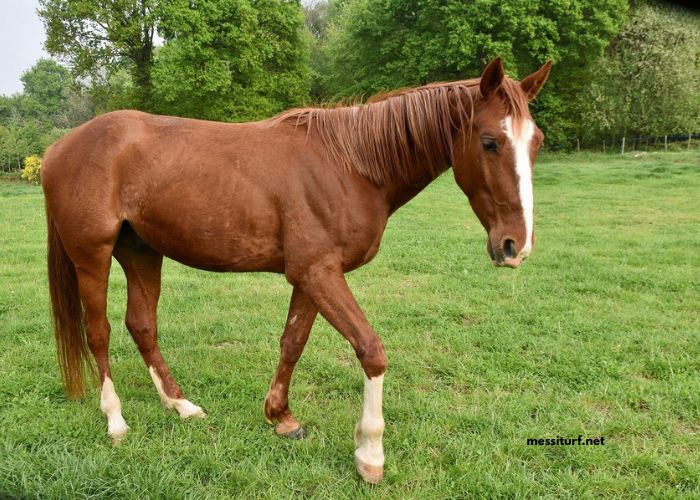
One of the major factors in the evolution of turf racing is the improvement in horse breeding and training. Modern breeders focus on producing horses with the ideal combination of speed, stamina, and agility, traits particularly suited to grass tracks. Advanced training techniques now emphasize balanced strides, proper conditioning, and mental preparedness, ensuring that horses perform at their peak during races. Nutrition, veterinary care, and recovery practices have also improved, contributing to the overall health and performance of racehorses.
Technological Integration in Racing
Technology has transformed modern turf racing in many ways. Track maintenance now uses precise methods to ensure optimal grass quality, proper drainage, and consistent surface firmness. Timing systems and sensors allow for accurate measurement of speed and performance, while video replay and analytics help jockeys and trainers refine strategies. These advancements have made turf racing safer, fairer, and more competitive, benefiting both participants and spectators.
The Role of Jockeys and Strategy
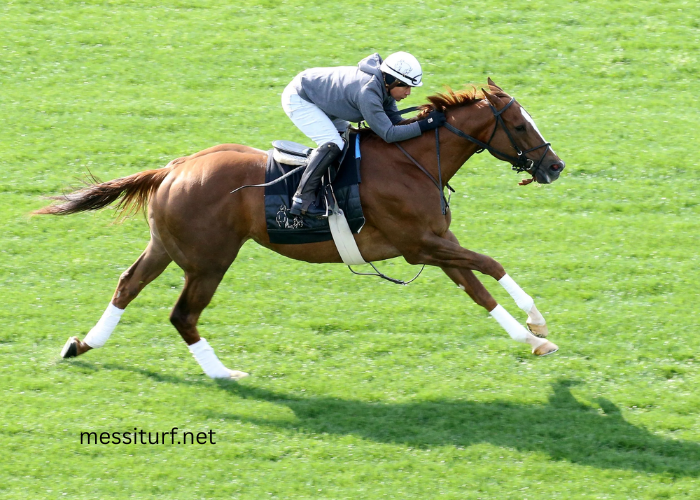
While the physical abilities of horses remain crucial, modern bouvier turf racing places a strong emphasis on the skill and strategy of jockeys. Successful jockeys must navigate changing track conditions, manage pacing, and make split-second decisions during a race. Unlike dirt tracks, turf surfaces can vary due to weather, making adaptability essential. Strategic positioning, timing of acceleration, and understanding the horse’s strengths have become key elements in achieving victory on grass tracks.
Globalization of Turf Racing
In recent decades, turf racing has become a truly global sport. Prestigious events now attract horses, jockeys, and trainers from around the world. Competitions such as the Royal Ascot in England, the Prix de l’Arc de Triomphe in France, and the Melbourne Cup in Australia showcase international talent and highlight the sport’s growing popularity. This globalization has raised the level of competition, pushing participants to innovate and continuously improve their techniques.
Modern Turf Events and Spectator Experience
Modern turf races have evolved to provide enhanced experiences for spectators as well. Stadiums and racecourses offer better viewing facilities, live commentary, and real-time updates, making races more accessible to fans both on-site and through streaming platforms. The aesthetics of turf racing, combined with the thrill of competition, create a captivating experience that attracts new audiences and maintains the sport’s prestige.
Challenges in Contemporary Turf Racing
Despite its evolution, modern turf racing faces several challenges. Weather can still affect track conditions, making races unpredictable and potentially hazardous. Balancing tradition with modernization is another challenge, as the sport seeks to retain its heritage while incorporating technological advancements. Ensuring the welfare of horses remains a priority, with regulations and monitoring systems in place to prevent overexertion and injury.
Conclusion
The evolution of turf racing in modern times demonstrates how tradition and innovation can coexist in a competitive sport. From advanced breeding and training to technological integration and global competition, turf racing has transformed into a sophisticated and strategic discipline. The partnership between horse and jockey, combined with meticulous preparation and adaptability, makes modern turf racing both challenging and exhilarating. For fans and participants alike, the sport offers a unique combination of speed, elegance, and strategy, ensuring that the beauty and excitement of turf racing continue to thrive in the contemporary era.