Turf racing is more than just a sport; it is a rich cultural tradition that combines history, elegance, and community. For centuries, people from different parts of the world have gathered to witness the thrill of horse racing on grass tracks. Over time, this activity has evolved into a cultural phenomenon that reflects social values, traditions, and a shared passion for competition. Understanding turf racing culture requires looking beyond the races and exploring the people, practices, and traditions that define it.
Historical Roots of Turf Racing
The origins of turf racing can be traced back to ancient times when horse racing was a popular form of entertainment and competition. In countries like the United Kingdom, the sport developed into a highly organized activity with established rules and prestigious events. These traditions were later spread to other parts of the world, influencing how turf racing is practiced today. Many of the customs seen in modern turf racing, such as formal attire and ceremonial practices, have their roots in these early traditions. They add a sense of prestige and continuity to the sport, connecting the past with the present.
The Social Aspect of Turf Racing
One of the most important elements of turf racing culture is its social nature. Race days are often seen as major events where people come together to enjoy the excitement and atmosphere. It is not just about watching the race but also about socializing, networking, and celebrating. Fashion plays a significant role in this aspect. Attendees often dress in stylish and formal outfits, making race events as much about appearance as they are about the sport itself. This blend of sport and social gathering creates a unique environment that attracts a wide range of people.
The Role of Jockeys and Trainers
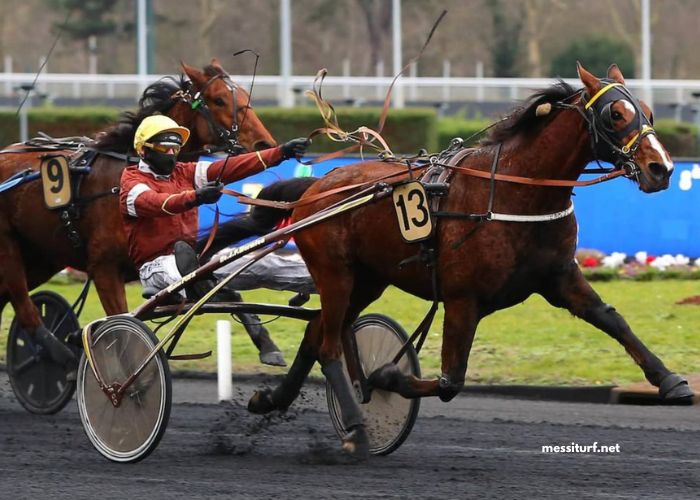
Jockeys and trainers in kappacourse are central to turf racing culture. Their skills, dedication, and experience determine the outcome of races. Jockeys must maintain physical fitness and develop strong connections with their horses, while trainers focus on preparing horses through careful planning and training routines. The relationship between jockey, trainer, and horse is built on trust and understanding. This connection is an essential part of the culture, highlighting the teamwork involved in achieving success on the track.
Traditions and Rituals
Turf racing is filled with traditions and rituals that add depth to its cultural identity. From pre race preparations to post race celebrations, these practices create a sense of continuity and belonging. Many events include ceremonial elements such as parades, trophy presentations, and special announcements. These traditions not only honor the winners but also celebrate the history and significance of the sport.
The Influence of Betting Culture
Betting has long been associated with turf racing and plays a major role in its culture. For many fans, placing a bet adds excitement and engagement to the race. It encourages a deeper understanding of the sport, as participants often study form, performance, and statistics before making decisions. While betting is an important part of the culture, responsible participation is essential. Ensuring fairness and maintaining ethical standards are key to preserving the integrity of turf racing.
Global Influence and Diversity
Turf racing culture varies across different regions, reflecting local traditions and values. While the core elements of the sport remain the same, each country adds its own unique touch. In some places, turf racing is closely tied to national identity and major celebrations. In others, it serves as a form of entertainment and leisure. This diversity enriches the culture and makes it a truly global phenomenon.
Challenges in Preserving Culture
As turf racing continues to evolve, maintaining its cultural heritage can be challenging. Modern technology and changing lifestyles have influenced how people experience the sport. While these changes bring new opportunities, they can also impact traditional practices. Balancing innovation with tradition is essential to preserving the essence of turf racing culture. Efforts to protect historical practices while embracing modern advancements are crucial for the future of the sport.
Conclusion
Turf racing culture is a fascinating blend of history, tradition, and modern influence. It goes beyond the excitement of the race, offering a deeper connection to community, heritage, and shared experiences. By understanding its roots, social aspects, and evolving nature, one can truly appreciate the richness of turf racing culture. As the sport continues to grow, preserving its traditions while adapting to change will ensure that its cultural significance remains strong for generations to come.