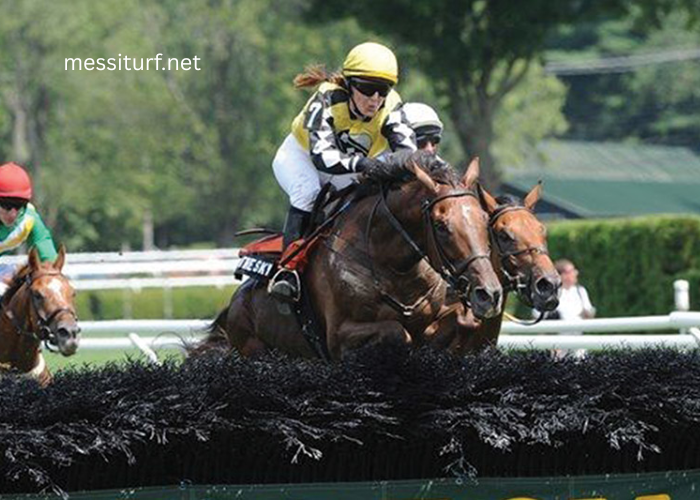
If you have ever spent a Saturday afternoon flipping through sports channels, you might have stumbled upon horse racing and noticed something a bit unusual. One minute you are watching horses sprint across a beautiful green field, and the next, you see them launching themselves over massive wooden fences or splashing through water jumps. It can be a little confusing if you aren’t a regular at the track. While both happen on grass, steeplechase and flat racing are actually worlds apart in terms of strategy, the type of horses involved, and the sheer physical demand on the athletes.
I remember the first time I saw a live steeplechase. I was used to the lightning fast sprints of the Kentucky Derby, so seeing horses jump over obstacles felt more like an action movie than a traditional race. It’s a completely different vibe. Understanding these differences really helps you appreciate the skill involved in both. Let’s break down what actually sets these two styles of turf racing apart.
The Most Obvious Obstacles in the Way
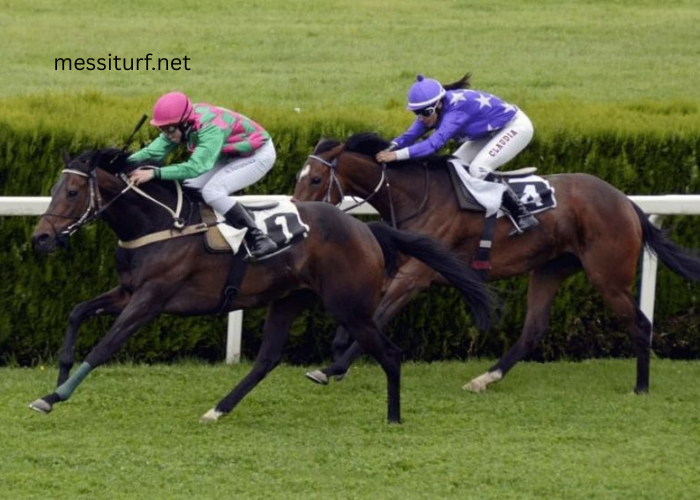
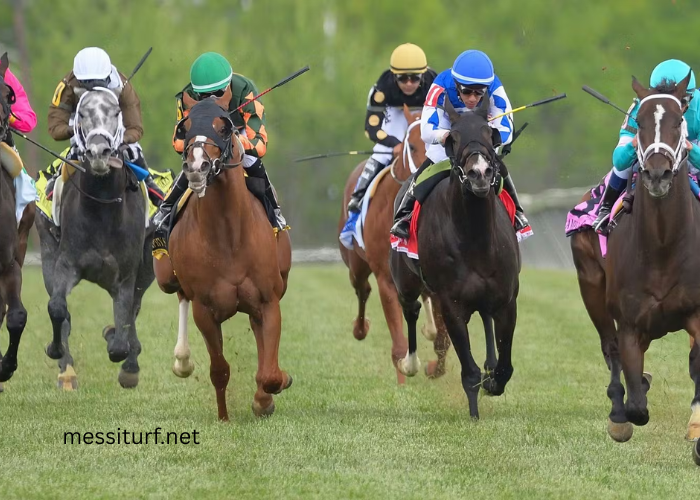
The most glaring difference is, of course, the jumps. In flat turf racing, the name says it all. The track is a smooth, level surface of grass. The goal is pure speed from start to finish. There is nothing between the horse and the finish line except for the other runners. It is a test of raw acceleration and how well a horse can maintain a high tempo over a set distance.
Steeplechase, on the other hand, is basically an obstacle course for horses. Depending on the specific race, they might have to navigate hurdles or larger fences made of brush and timber. Some of the more traditional courses in Europe even include stone walls or water jumps. These aren’t just little hops either. These jumps require the horse to break its stride, gather its power, and clear a physical barrier while moving at high speeds. It adds a layer of danger and excitement that you just don’t get on the flat.
A Matter of Distance and Stamina
If flat racing is a 100 meter dash, then steeplechase is more like a cross country marathon. Flat turf races are usually much shorter, often ranging from five furlongs to about a mile and a half. Because the distance is shorter, the pace is incredibly intense. Every second counts, and a tiny mistake at the start can cost a horse the entire race. You’ll see jockeys hunched low, pushing for every ounce of speed right from the gates.
Steeplechase races are much longer, often stretching between two and four miles. Because of the length and the energy required to jump, the horses have to pace themselves. You’ll notice the jockeys are much more patient. They might sit back in the pack for the first two miles, just focusing on clean jumps and keeping the horse calm. The real racing usually doesn’t start until the final few fences. It is a game of endurance rather than a pure drag race.
The Different Types of Athletes Involved
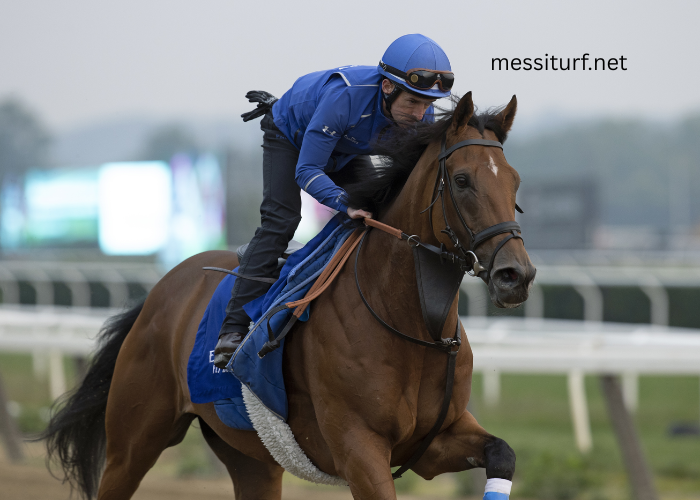
You might think any fast horse can jump, but that isn’t really the case. Flat racing horses are often younger and bred for explosive speed. Many start racing at two years old and are retired by the time they are four or five. They are built like track stars, lean and packed with fast twitch muscle. In the flat world, youth is a huge advantage.
Steeplechase horses are usually older and sturdier. In fact, many steeplechase stars in kappa course base incontournable actually started out as flat racers but were moved to jumping because they had more stamina than speed. These horses are like the decathletes of the animal world. They need strong bones and powerful hindquarters to propel themselves over fences repeatedly. You will often see “chasers” competing well into their teens. They have a level of experience and mental toughness that takes years to develop.
Weight and the Role of the Jockey
Another big difference that people often overlook is the weight the horses carry. In flat racing, jockeys are famously tiny. Every pound matters when you are trying to win a sprint. The saddles are lightweight, and the total weight on the horse’s back is kept as low as possible to maximize speed.
In steeplechase, the horses carry significantly more weight. Jockeys in these races are usually taller and stronger because they need the physical strength to help guide a horse over a fence and keep it balanced during a landing. If a horse stumbles after a jump, the jockey has to use their core and arm strength to pull the horse’s head up and keep them from falling. It is a much more physical job than just sitting still and steering.
The Atmosphere and Tradition
The “feel” of these two events is also quite different. Flat turf racing often feels very high fashion and prestigious. Think of the big hats at Royal Ascot or the sleek glamour of the Breeders’ Cup. It’s fast, it’s expensive, and it’s very polished. Everything is about precision and timing.
Steeplechase feels a bit more rugged and traditional. It has deep roots in hunting and the countryside. Events like the Grand National have a legendary status because they are so unpredictable. There is a sense of camaraderie among the fans because everyone knows just how much can go wrong during a jump. It feels a bit more like a community event where the bravery of the horse is celebrated just as much as the win.
Choosing Your Favorite Style
At the end of the day, whether you prefer the blur of a flat sprint or the heart in your mouth tension of a jump race is just down to personal taste. I personally love the drama of a steeplechase, especially when a horse makes a mistake but somehow recovers to win. It shows so much heart. But then again, there is nothing like the sound of a dozen horses thundering down the final stretch of a flat turf mile.
Both sports are beautiful in their own way. They show off different sides of what these amazing animals can do. Next time you see a race on the grass, take a look at the distance and the obstacles. You’ll realize you are watching a very specific craft that has been perfected over hundreds of years. Whether they are flying over fences or sprinting for the wire, it is a spectacle that never really gets old.
Final Thoughts
Horse racing is a deep sport with a lot of layers, and the turf is where a lot of that history lives. While flat racing gets a lot of the mainstream glory, steeplechase offers a unique challenge that tests a horse’s soul in a different way. Understanding these differences just makes the whole experience more fun. So grab some binoculars, find a good spot by the rail, and enjoy the show. No matter which style you’re watching, the athleticism on display is always worth the price of admission.