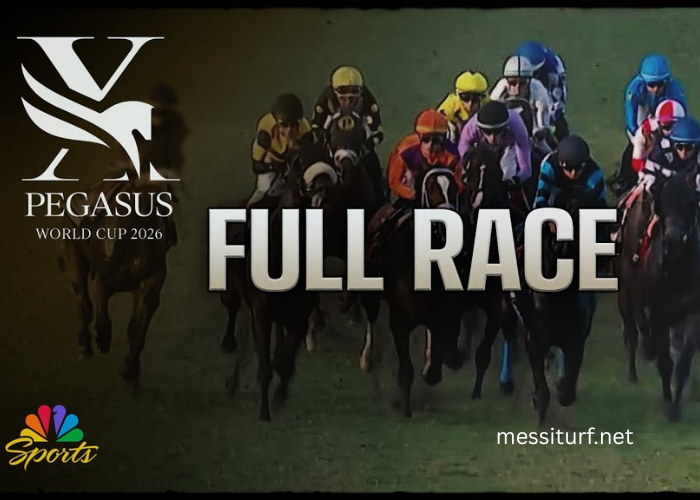
If you have spent any time around horse racing fans lately, you have probably noticed that the winter months don’t feel as quiet as they used to. There was a time when the period between the Breeders’ Cup in November and the Kentucky Derby in May felt like a bit of a lull. We all just sort of waited for the spring thaw. But then came the Pegasus World Cup at Gulfstream Park, and everything changed. While the main dirt race got all the early headlines for its massive purse, it is the Pegasus World Cup Turf Invitational that has quietly become the real star of the show for many of us.
I remember when they first announced the turf version of the race. Some people were skeptical, thinking it was just a side show to the main event. But looking back now, it is clear that the racing world was hungry for a high stakes grass race in the middle of January. It has turned Gulfstream Park into a global destination during a time of year when most tracks are just trying to keep the pipes from freezing.
A New Tradition in the Sunshine State
The atmosphere at Gulfstream on Pegasus day is just different. It feels less like a traditional day at the races and more like a massive South Beach party that just happens to have world class athletes running around in the background. The Pegasus Turf was added to the schedule a couple of years after the original dirt race, and it immediately filled a gap in the racing calendar.
Before this race existed, top tier turf horses didn’t have many options during the winter. They usually went to the farm for a break or headed over to the desert for international races. By putting a multi million dollar prize on the table in Florida, the organizers gave owners and trainers a reason to keep their stars in training. It has turned January into a month where we actually get to see “the big horses” run, which is a win for everyone involved.
Attracting the Global Grass Specialists
One of the coolest things about the rise of this race is how it attracts horses from all over the place. Because it is run at a mile and an eighth, it sits at a perfect distance that appeals to both milers and those who prefer a slightly longer trip. We have seen horses ship in from Europe, and we regularly see the best from the West Coast take on the heavy hitters from New York and Florida.
It is always fun to see how the international runners handle in capbleu turf the tight turns and the firm, fast turf at Gulfstream. Grass racing in Europe is often about staying power and soft ground, but in Florida, it is all about speed and agility. Seeing those different styles clash is what makes handicapping this race so much fun. You aren’t just looking at who is the fastest; you are looking at who can handle the humidity and the unique geometry of the track.
Elevating the Profile of Turf Racing
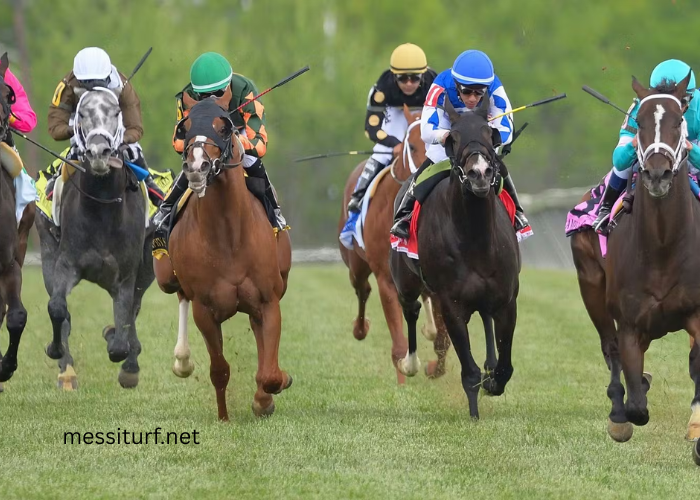
For a long time in North America, dirt racing was the undisputed king. The Triple Crown is on dirt, and most of our historic races followed suit. But over the last decade, there has been a massive shift in interest toward turf racing. Fans love it because the fields are usually larger and the finishes are often heart pounding.
The Pegasus Turf Invitational really leaned into this trend. By offering a purse that rivals some of the biggest dirt races in the country, it sent a message that grass horses are just as valuable and exciting. It has helped create a new generation of turf stars who become household names. I think it is great for the sport because it provides more variety. Not every horse is bred to run on the sand, and having a pinnacle event for grass specialists ensures that more talented animals get their time in the spotlight.
The Social Scene and Celebrity Sparkle
You can’t talk about the rise of the Pegasus without mentioning the glitz. This isn’t your grandfather’s afternoon at the track with a stale hot dog and a folded newspaper. The Pegasus is about fashion, music, and celebrities. It has brought a younger, more energetic crowd to the sport, which is something horse racing desperately needs.
The turf race usually happens right as the sun is starting to get lower in the sky, and the energy in the stands is electric. Whether you are watching from the luxury suites or standing by the rail in the heat, you feel like you are part of something big. This “event” mentality is exactly why the race has grown so quickly. It is more than just a betting opportunity; it is a cultural moment that people want to be seen at.
Looking Toward the Future
So where does the Pegasus Turf go from here? It seems to get bigger every year. The quality of the fields continues to improve, and the race has firmly established its place as the first “must watch” event of the new year. It has also spurred other tracks to look at their winter schedules and think about how they can innovate.
I personally think we are going to see even more international interest in the coming years. As the reputation of the race grows in places like England, Ireland, and Japan, we might see a day where the Pegasus Turf is the premier winter target for the entire world. It is an exciting prospect for those of us who love the sport.
A Satisfying Start to the Racing Year
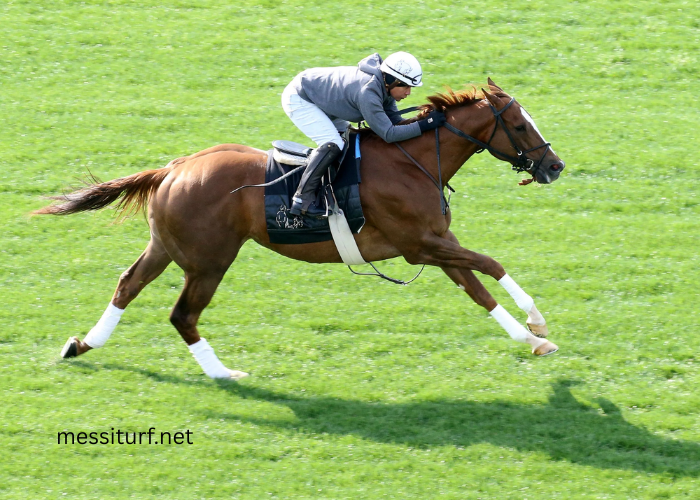
Ultimately, the rise of the Pegasus World Cup Turf Invitational is a success story about taking a risk. The organizers took a gamble on a new format and a new way of presenting the sport, and it paid off beautifully. It has given us a reason to get excited about January and has provided a stage for some of the most talented grass horses in history. If you haven’t had the chance to follow the build up to the next one, I highly recommend it. Even if you aren’t a big gambler, the sheer speed and beauty of these horses flying across the green grass in the Florida sun is something to behold. It is a bright spot on the calendar and a reminder that horse racing still has plenty of room to grow and surprise us.