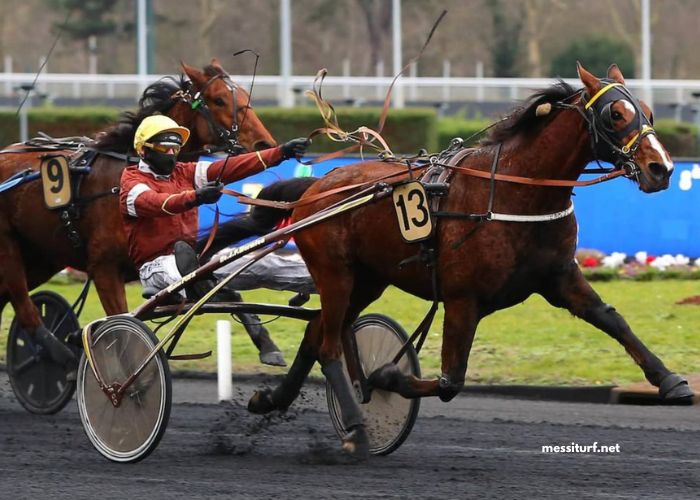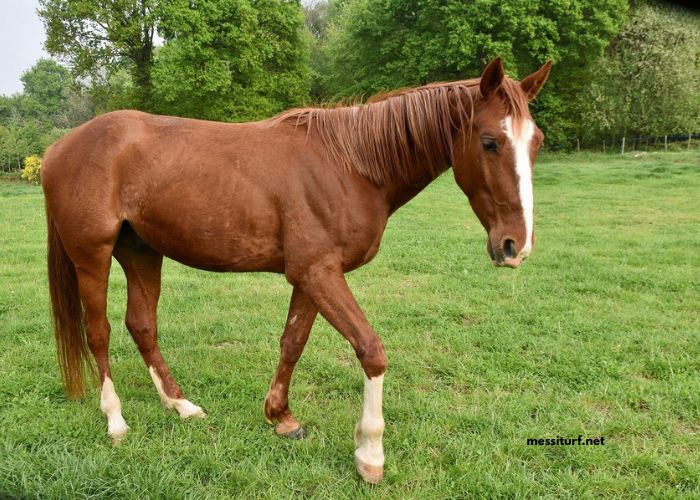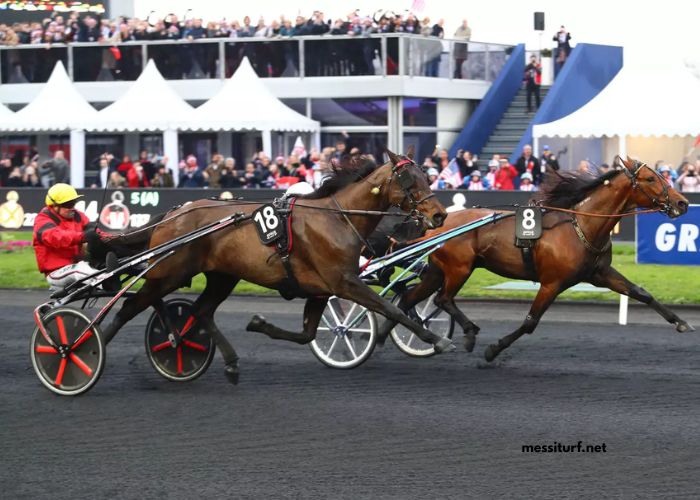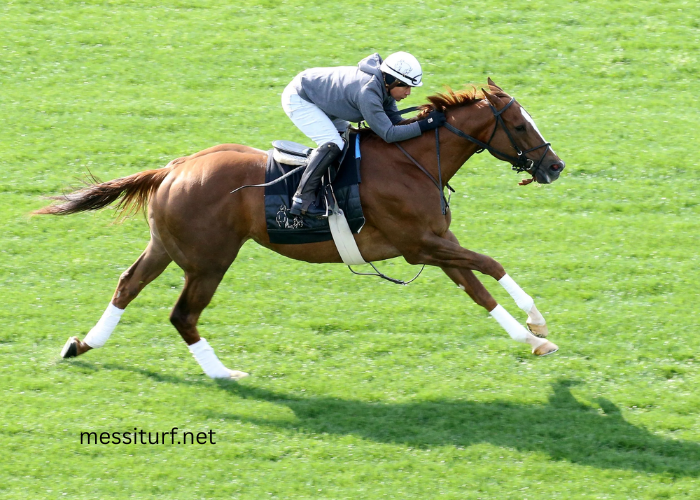
Turf tracks play a crucial role in horse racing, influencing everything from a horse’s performance to race strategy and safety. Unlike dirt or synthetic surfaces, turf tracks are made of natural grass, creating a unique racing environment that requires skill, adaptability, and careful management. Understanding why turf tracks matter can help both beginners and enthusiasts appreciate the depth of the sport.
Impact on Horse Performance
One of the biggest reasons turf tracks matter is their direct effect on how horses perform. The grass surface is softer and more flexible compared to dirt, which means horses often experience less impact on their legs. This can allow them to run more comfortably, especially over longer distances. However, turf also demands better balance and control. Horses need to adjust their stride and footing, particularly when the grass is wet or uneven. Some horses naturally perform better on turf, making surface preference an important factor in racing outcomes.
Influence of Track Conditions
Turf tracks are highly sensitive to weather conditions, which makes each race unique. Rain, sunlight, and maintenance all affect how the grass behaves. A dry turf track is usually faster, allowing horses to reach higher speeds. On the other hand, wet or soft turf slows the pace and requires greater stamina. These variations add an extra layer of strategy, as trainers and jockeys must adapt their approach based on track conditions. Because of this, turf racing is often less predictable and more tactical than races on other surfaces.
Safety and Injury Reduction
Safety is a major concern in messiturf10 horse racing, and turf tracks are often considered safer for horses. The natural grass surface absorbs shock better than harder tracks, reducing stress on joints and bones. While no surface can completely eliminate the risk of injury, turf tracks can help lower the chances of serious impact related issues. This is one reason why many prestigious races around the world are held on turf.
Strategic Racing Style
Turf racing places a strong emphasis on strategy rather than just speed. Jockeys must carefully manage their horse’s energy throughout the race. Positioning is key, as being trapped behind other horses or taking a poor path can affect performance. Timing is also critical, with many turf races decided in the final stretch when jockeys push their horses to the limit. This strategic element makes turf racing exciting and intellectually engaging for viewers.
Maintenance and Quality Control
Maintaining a turf track requires significant effort and expertise. Groundskeepers must regularly water, mow, and monitor the grass to ensure consistent quality. Proper drainage systems are also essential to prevent waterlogging and maintain safe conditions. Without good maintenance, the turf can become uneven or unsafe, affecting both performance and safety. This level of care highlights how important turf tracks are to the overall integrity of horse racing.
Global Importance of Turf Racing
Turf tracks are widely used in many of the world’s most prestigious horse racing events. Countries with strong racing traditions often prefer turf because of its natural feel and historical significance. Major international races held on turf attract top horses, trainers, and jockeys, showcasing the highest level of competition. This global presence reinforces the importance of turf tracks in the sport.
Final Thoughts
Turf tracks are more than just a racing surface. They influence performance, strategy, safety, and the overall experience of horse racing. Their natural composition and changing conditions make every race unique, adding depth and excitement to the sport. Whether you are a beginner or an experienced fan, understanding the importance of turf tracks can greatly enhance your appreciation of horse racing.